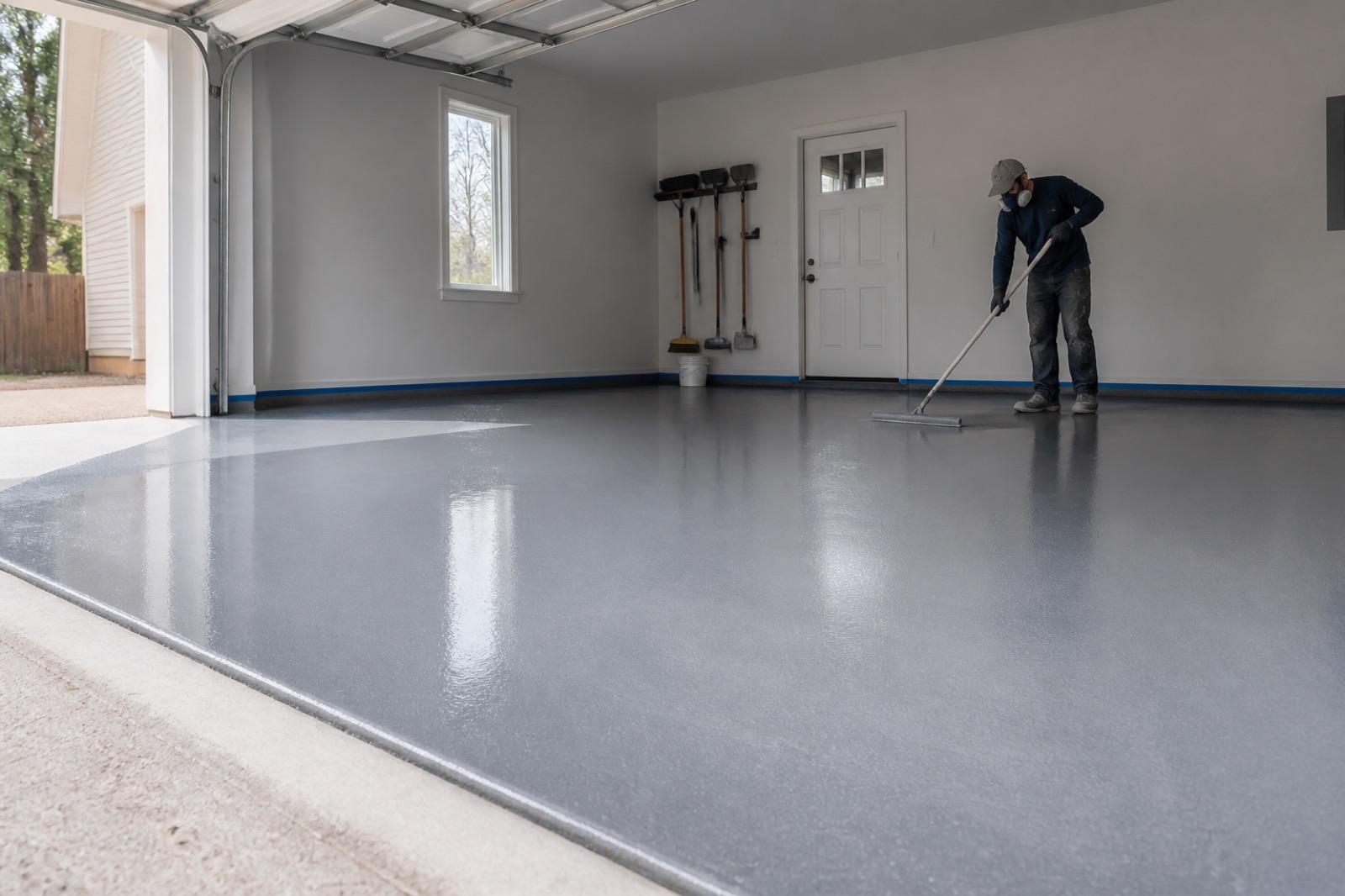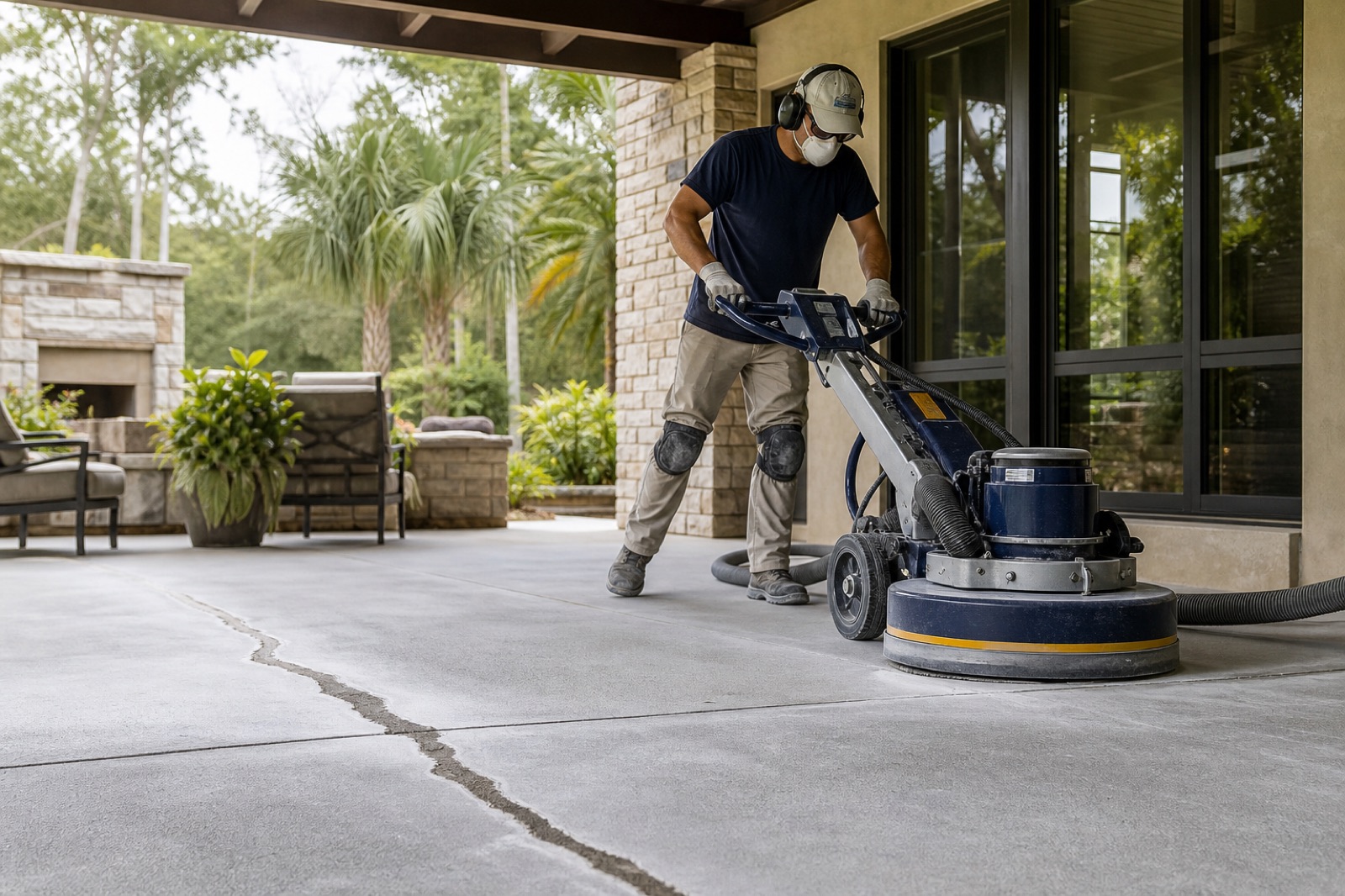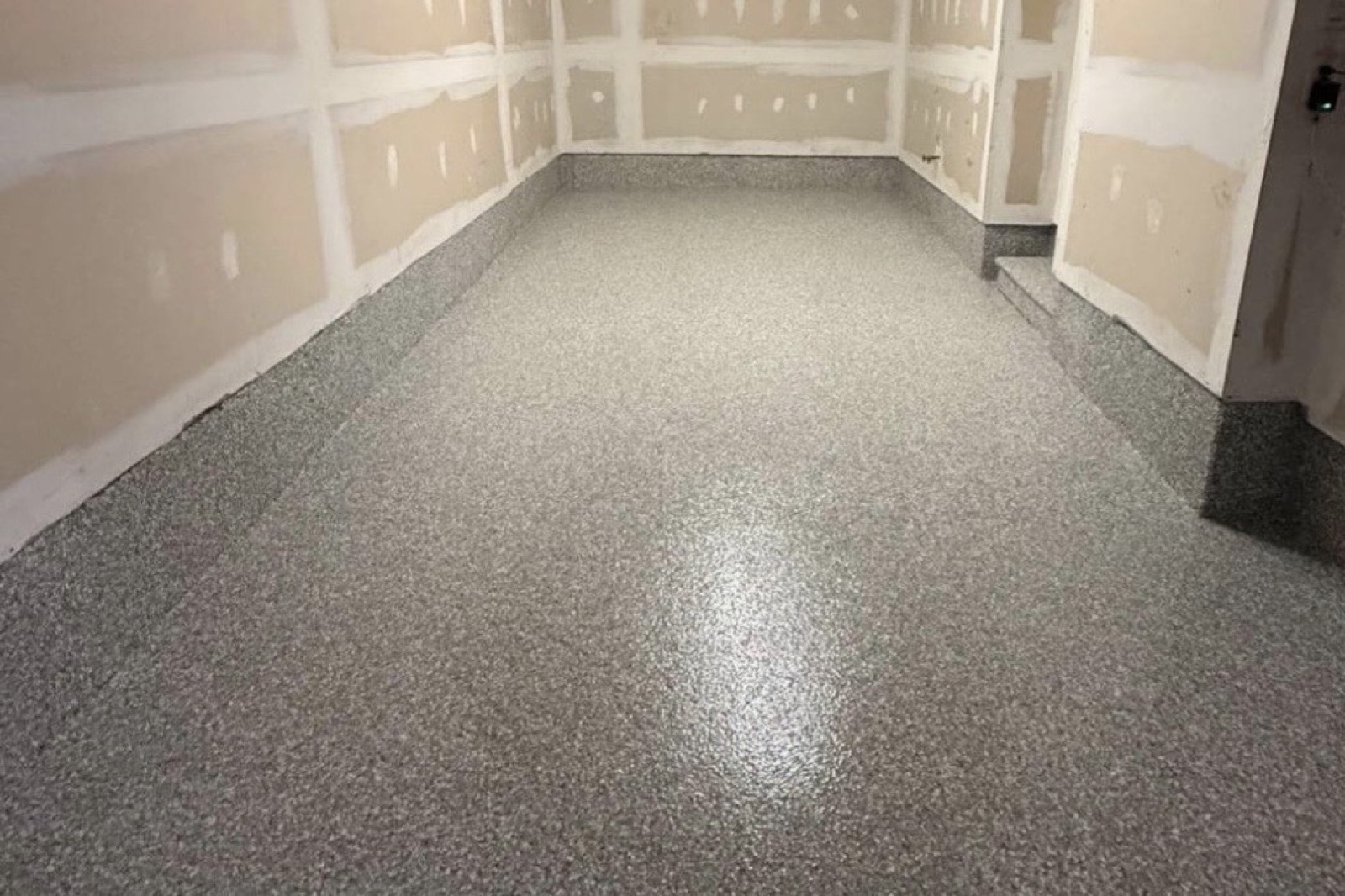
Designed around the way the space is used
Traffic, equipment, chemicals, cleaning methods, temperature, moisture, and appearance are considered before the coating system is selected.
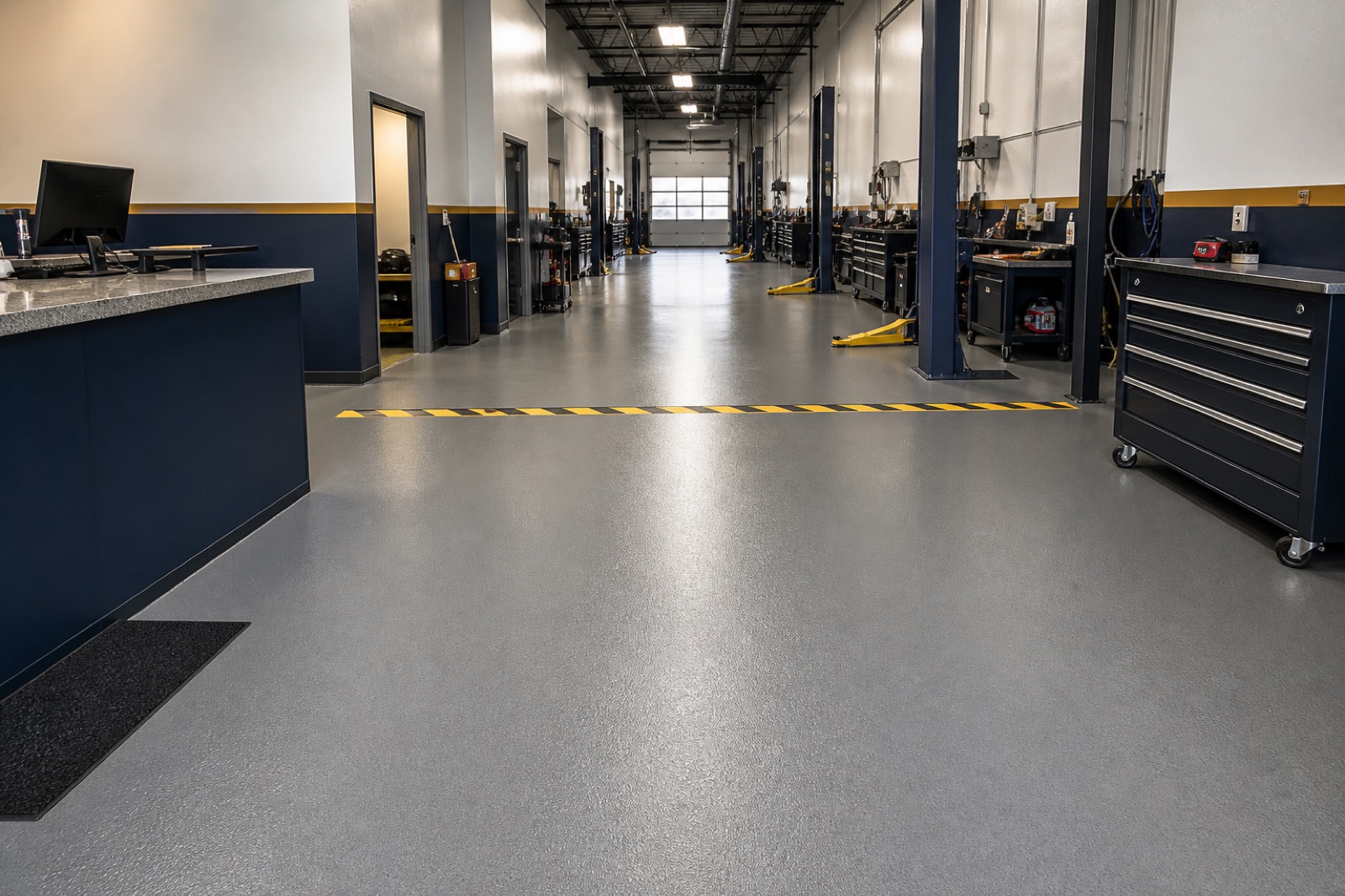
Commercial flooring systems should be selected around how the space is actually used. Traffic, cleaning methods, chemical exposure, slip resistance, downtime, and maintenance all play a role in choosing the right coating system.
High-traffic commercial floors may be exposed to carts, equipment, foot traffic, cleaning chemicals, spills, heat, moisture, and frequent washing. The coating system should be selected around those conditions rather than simply using a heavier version of a residential floor.
We evaluate traffic, chemical exposure, cleaning requirements, slip resistance, drainage, downtime, and concrete condition before recommending the system. When practical, work may be phased or scheduled around normal operations while still allowing proper preparation, installation, and cure time.
Traffic, equipment, chemicals, cleaning methods, temperature, moisture, and appearance are considered before the coating system is selected.
Access, sequencing, cure windows, and the return of foot, cart, or vehicle traffic are planned early.
The proposal identifies preparation, repairs, primers, body coats, broadcast media, and protective finishes.
Commercial scopes are built around the actual substrate, operating environment, application schedule, traffic, cleaning, and exposure requirements.
Discuss My ProjectProduct chemistry matters, but testing, concrete profile, repairs, mixing, timing, and cure protection create the conditions the system needs.
We document traffic, cleaning, chemicals, temperature, wet conditions, texture, appearance, and shutdown limits.
The substrate is profiled, cleaned, detailed, and repaired according to the selected system and written scope.
System layers are installed and protected through cure before defined traffic and operations return.
Exact manufacturers and components are documented for each project rather than treated as a blanket claim.
System family is selected after the substrate, exposure, maintenance, and operating window are understood.
Seamless primer and build coats for compatible prepared interiors.
Rapid-cure and UV-stable options within compatible systems.
Broadcast texture and durable resin builds for selected environments.
Heavy-duty protection for appropriate wet, thermal, or demanding service areas.
Decorative full-broadcast coverage for practical light-commercial floors.
Decorative resurfacing for suitable prepared commercial concrete.
These are general planning answers. The onsite condition and selected product system control the project-specific recommendation.
Request an estimate →We begin with substrate condition, traffic, cleaning, chemicals, temperature, wet conditions, texture, appearance, shutdown, and return-to-service requirements.
Often, yes. Feasibility depends on access, transitions, cure windows, product limitations, and how people or equipment move through the space. Phasing must be defined before installation.
Urethane cement may be considered for suitable demanding environments involving wet service, thermal variation, heavy use, or frequent cleaning. The substrate and operational conditions must still be evaluated.
Any smooth surface can be slippery when wet. Texture and slip-resistant aggregate can be considered based on the location, cleaning needs, and how the floor will be used.
Different resin families and decorative builds can play different roles. Explore related options before settling on a finish.
Tell us about the surface, how you use the space, and the finish you have in mind. We’ll evaluate the slab and recommend a practical next step.