Genuinely custom
The movement of metallic pigments creates a floor that is not printed, tiled, or repeated.
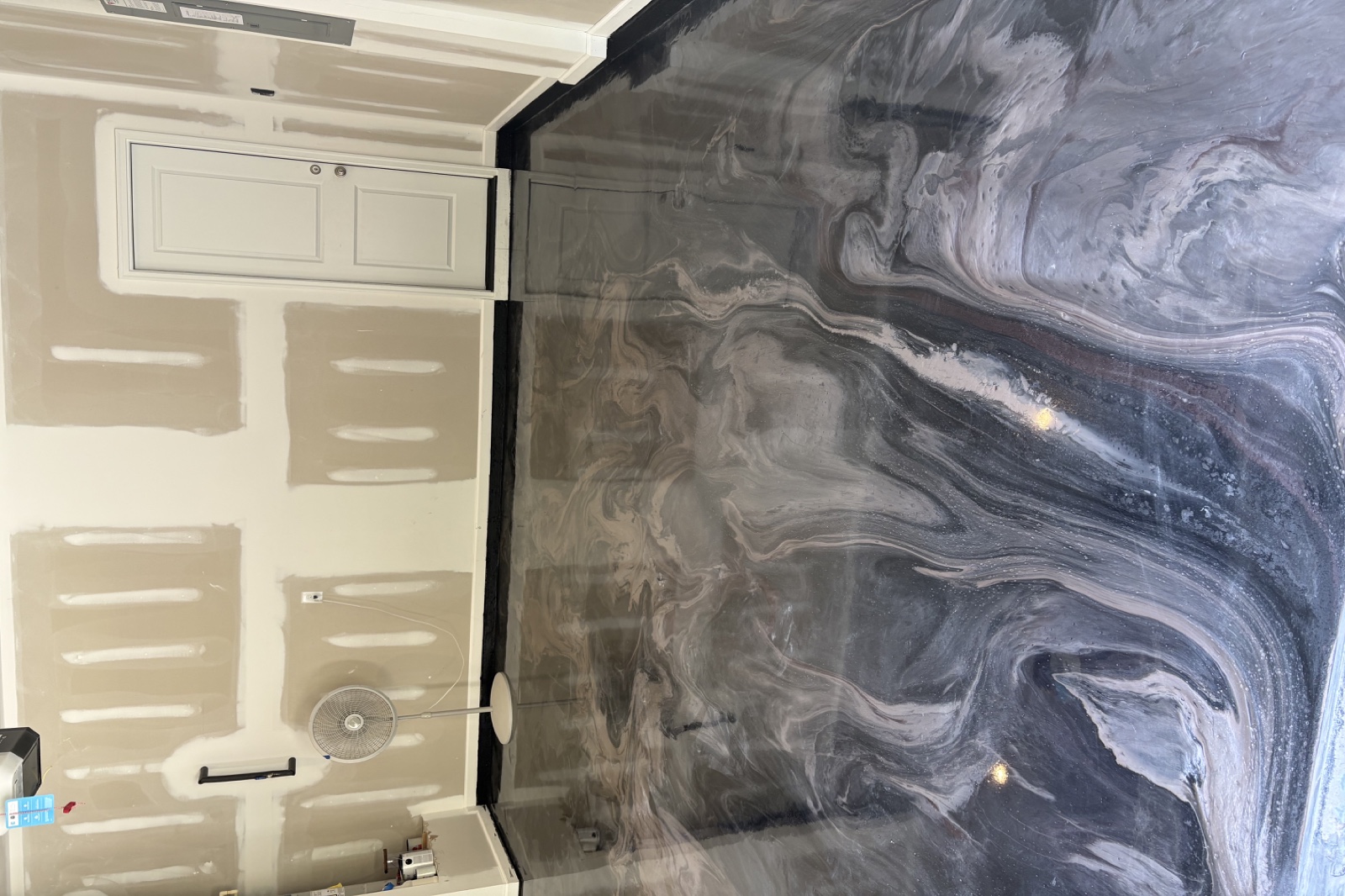
Metallic pigments move through epoxy to create depth and marbled variation, producing a continuous statement floor whose pattern is naturally unique.
Metallic epoxy uses reflective pigments and controlled movement to create depth, clouding, veins, and transitions that cannot be repeated exactly. Color samples establish direction, while the final floor remains genuinely individual.
A dramatic finish still depends on practical groundwork: slab review, moisture considerations, mechanical profiling, repairs, a consistent base coat, and a compatible clear topcoat.
The movement of metallic pigments creates a floor that is not printed, tiled, or repeated.
One or more coordinated colors can create subtle clouding or bold contrast.
The decorative layer is sealed beneath a compatible clear finish selected for the space.
The project scope identifies the approved color direction, preparation, repairs, base coat, metallic application, clear topcoat, and cure restrictions.
Discuss My ProjectProduct chemistry matters, but testing, concrete profile, repairs, mixing, timing, and cure protection create the conditions the system needs.
We define the palette, level of contrast, visual direction, gloss, and the practical needs of the room.
The slab is profiled and repaired, then a consistent base layer is installed for the metallic design.
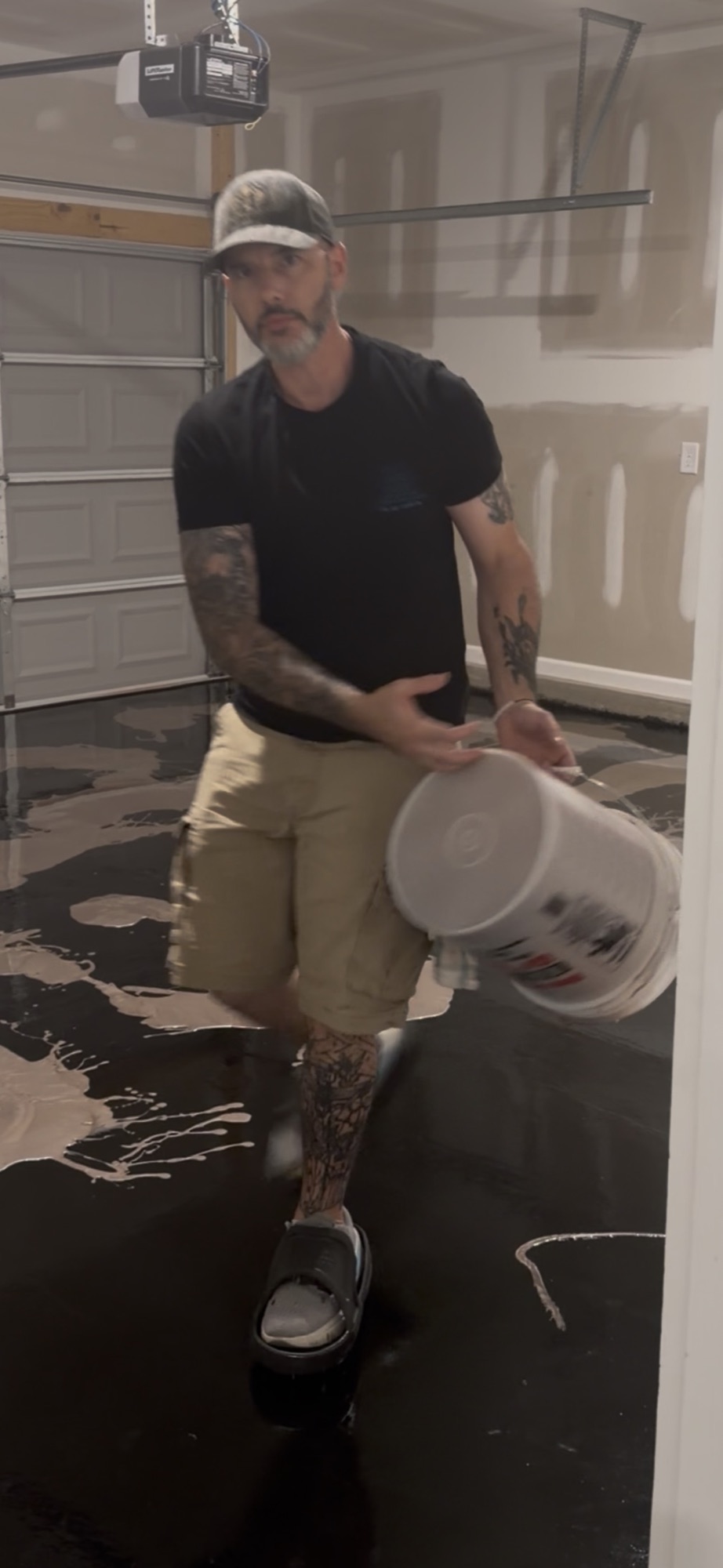
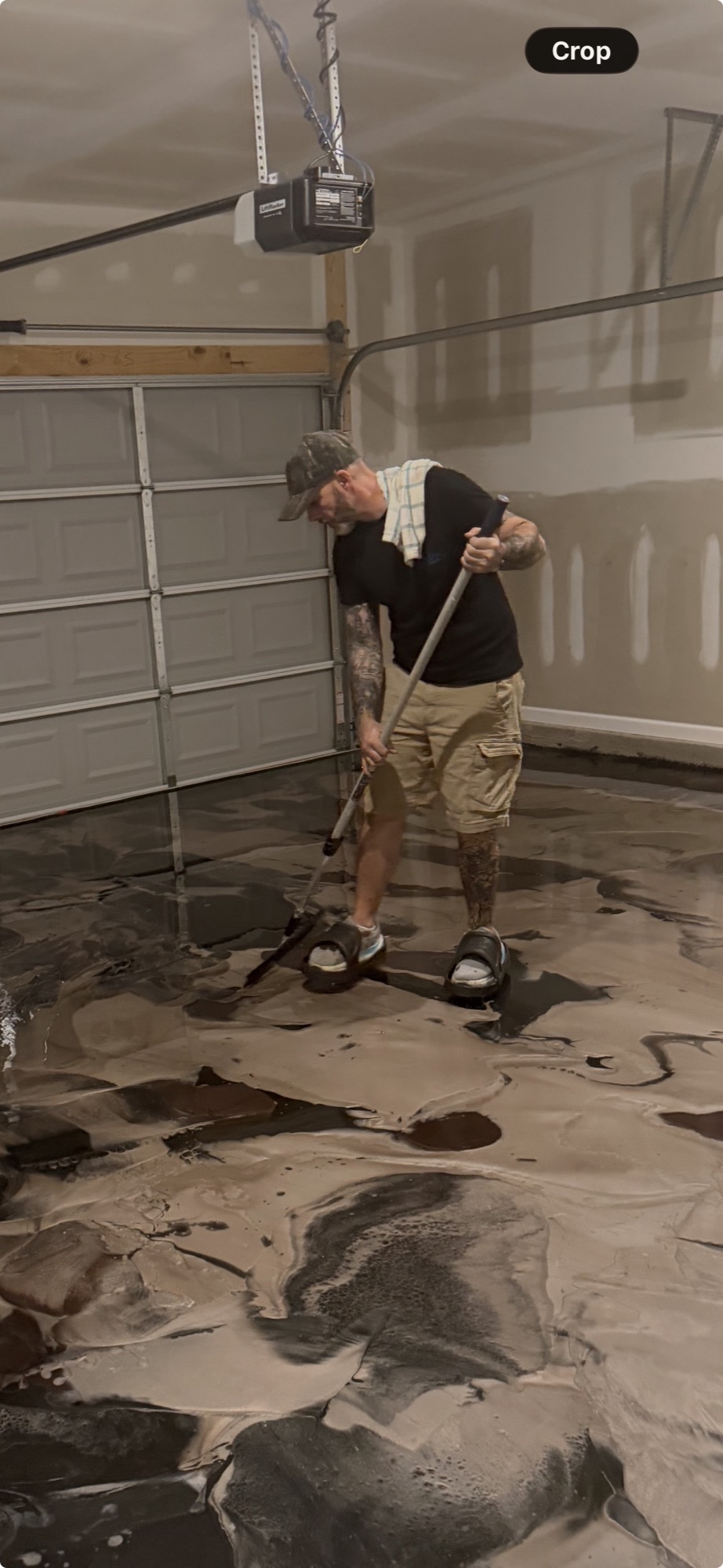
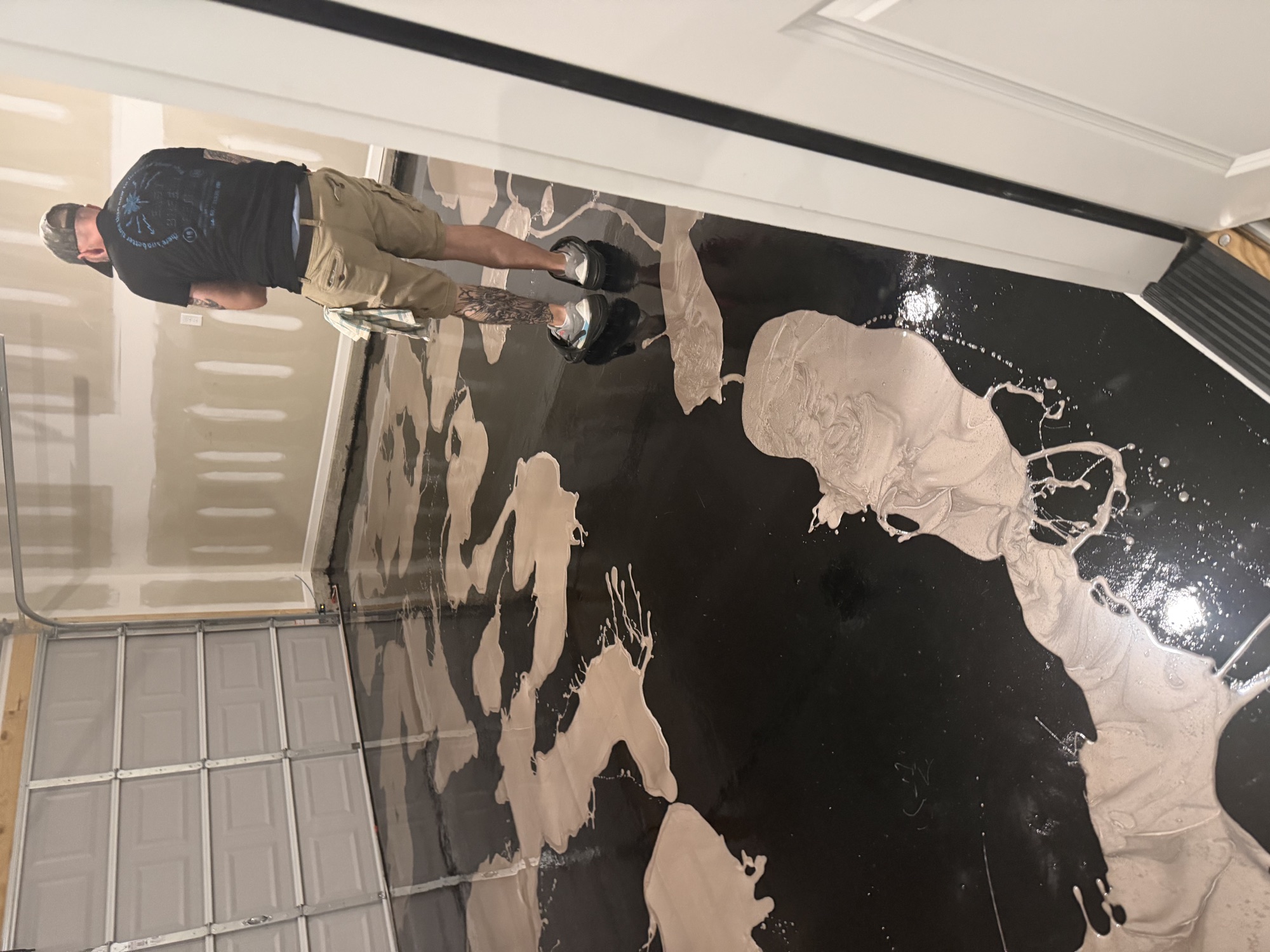
Pigments are placed and moved by hand, then protected with a compatible clear topcoat after cure.
Exact manufacturers and components are documented for each project rather than treated as a blanket claim.
The color plan establishes a direction, while hand-applied pigment movement makes every installed floor unique.
Layered movement with elegant contrast and vein-like transitions.
Soft tonal shifts that create depth without sharp edges.
Sharper visual breaks and laced effects for more energetic movement.
A focused palette that balances contrast with a cohesive overall design.
Several coordinated pigments used for richer, high-impact movement.
A site-specific combination planned around the room and design goal.
These client-supplied images show the range of movement and tone possible in gray, pearl, charcoal, and custom metallic floors.
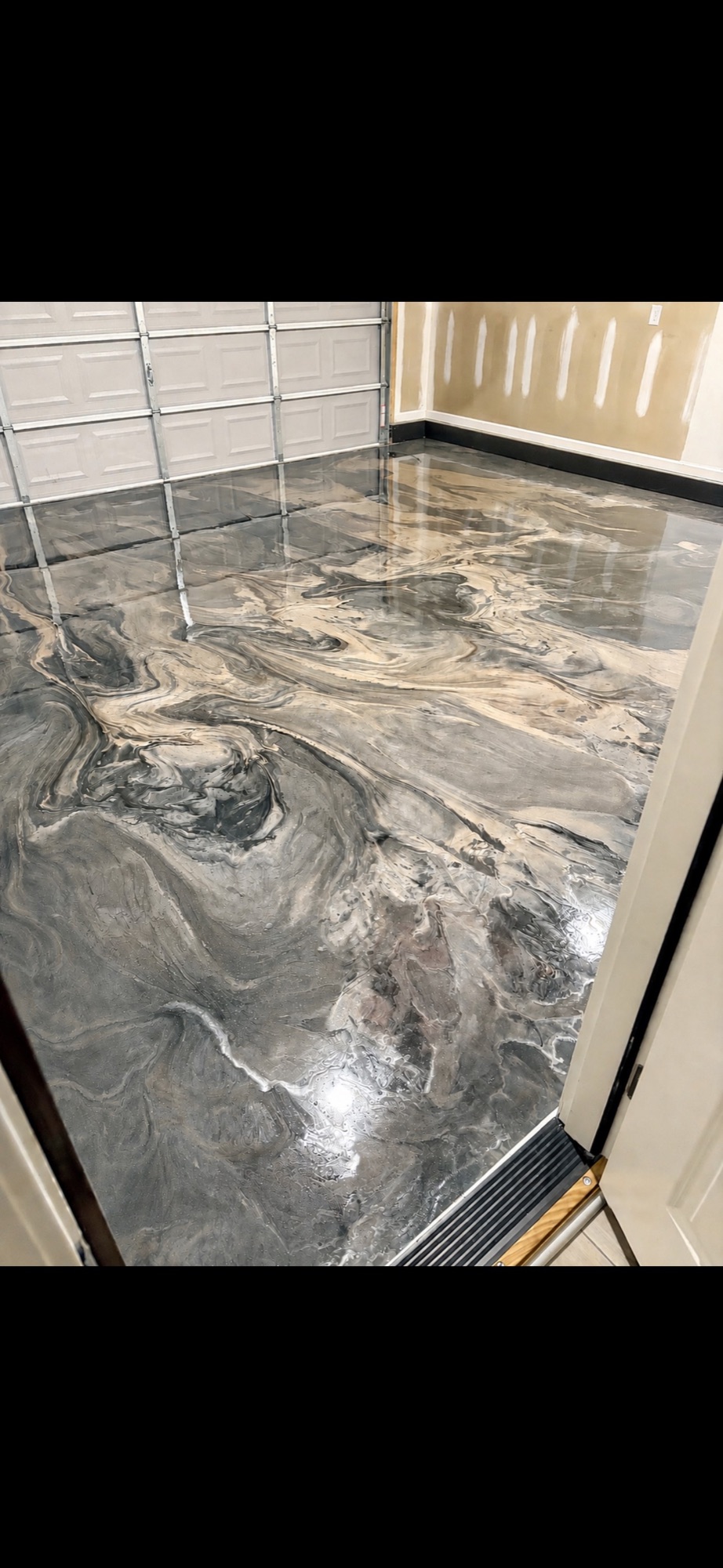
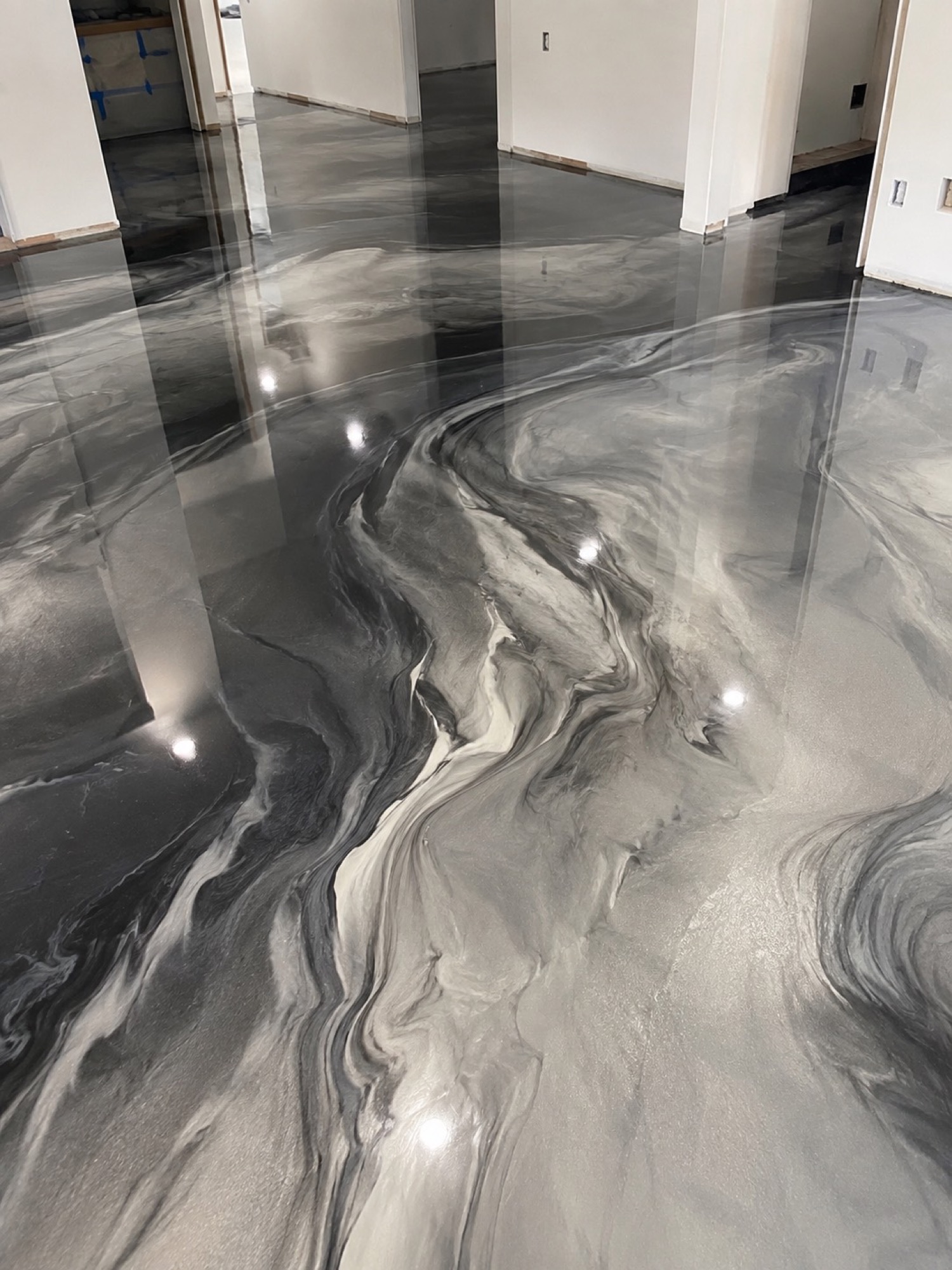
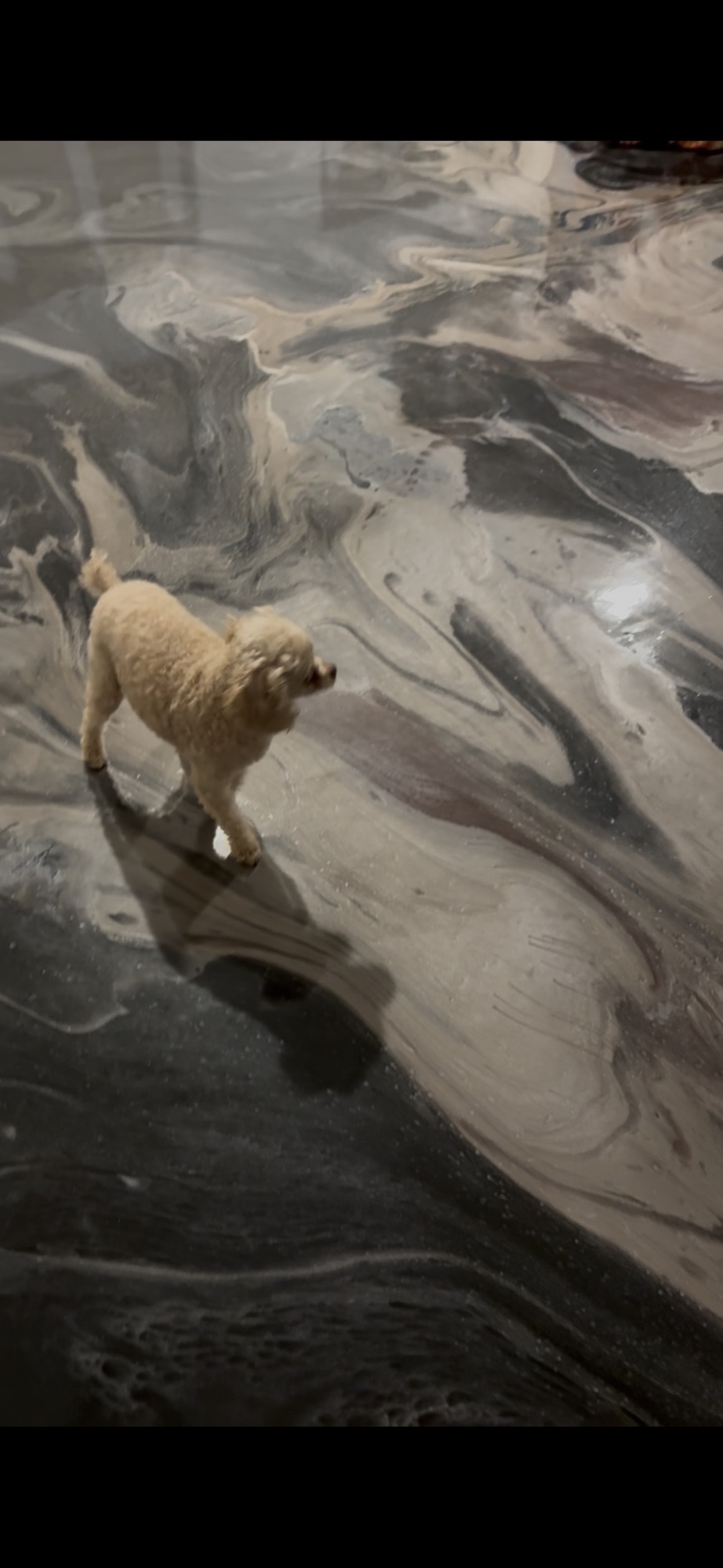
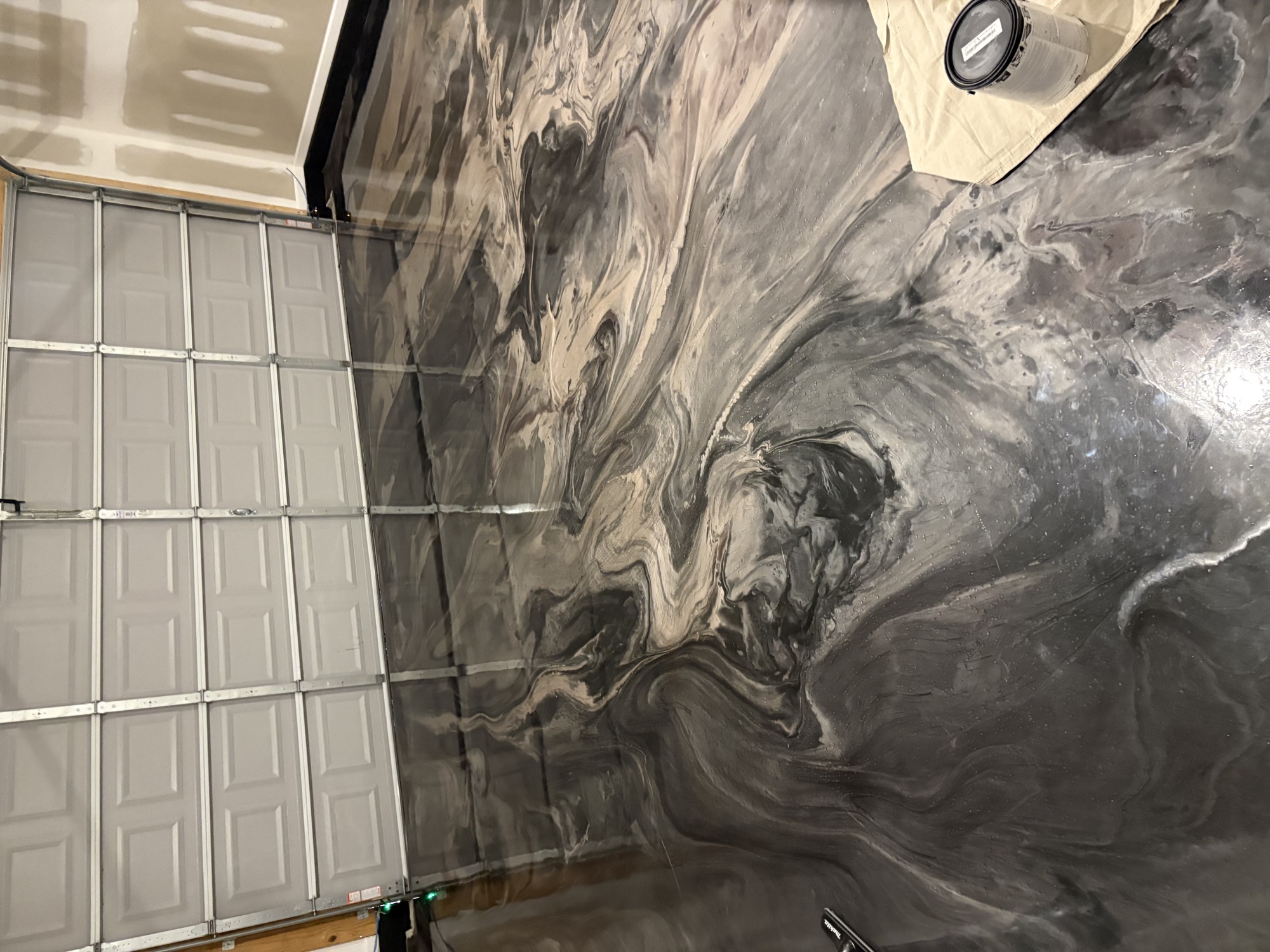
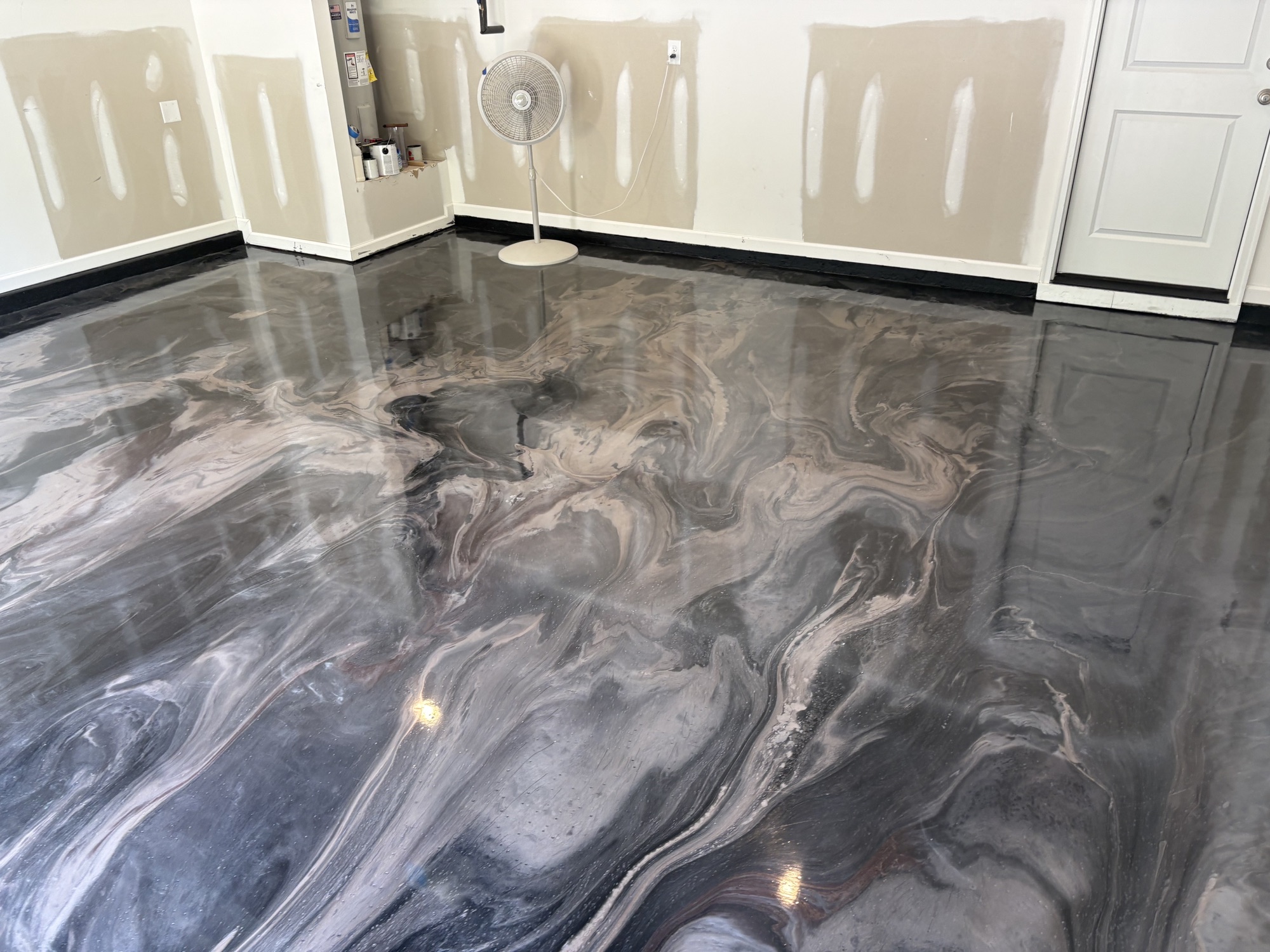
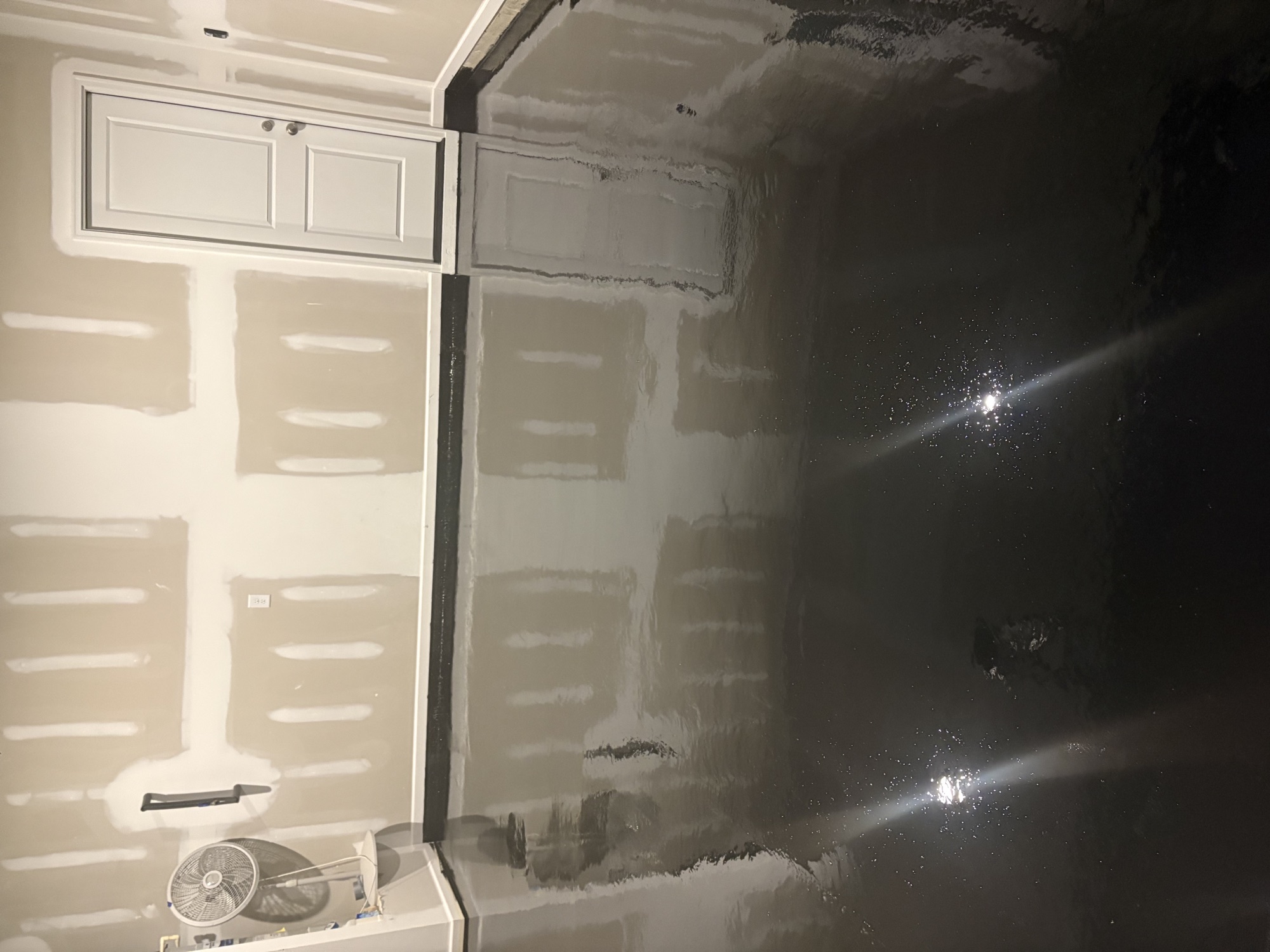
The finished pattern is created through deliberate surface preparation, material placement, and hands-on movement during installation.

These are general planning answers. The onsite condition and selected product system control the project-specific recommendation.
Request an estimate →No two metallic floors are identical. Samples communicate color and general direction, while pigment movement, slab layout, and installation create natural variation.
Metallic epoxy is generally considered for appropriate interior applications. UV exposure, moisture, temperature, and traffic may make another system a better fit for exterior concrete.
Cracks can often be cleaned and repaired before coating, but concrete can continue to move. A repair improves the surface; it cannot guarantee that a moving crack will never reappear.
Any smooth surface can be slippery when wet. Texture and slip-resistant aggregate can be considered based on the location, cleaning needs, and how the floor will be used.
Different resin families and decorative builds can play different roles. Explore related options before settling on a finish.
Tell us about the surface, how you use the space, and the finish you have in mind. We’ll evaluate the slab and recommend a practical next step.