Designed for the space
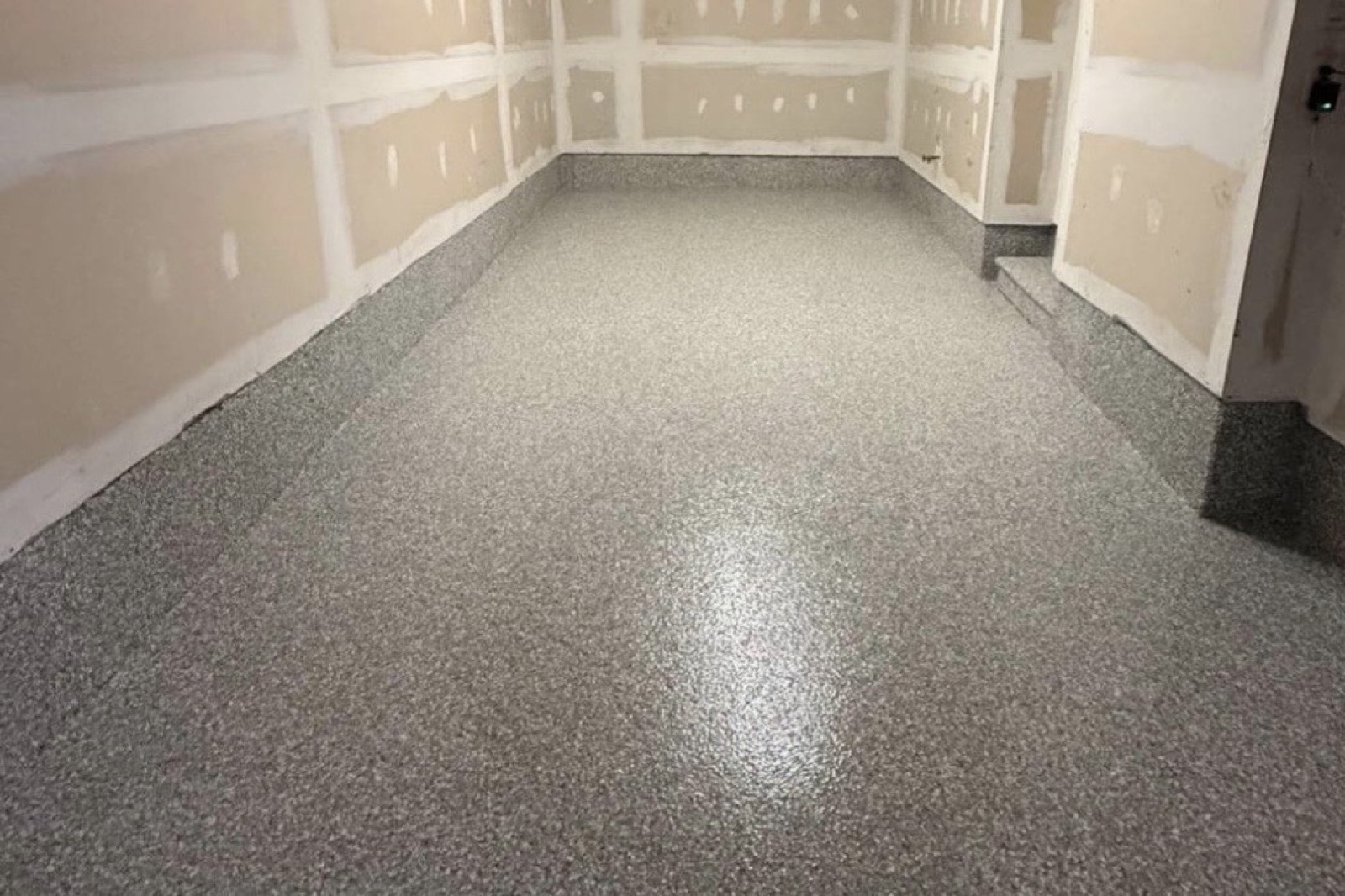
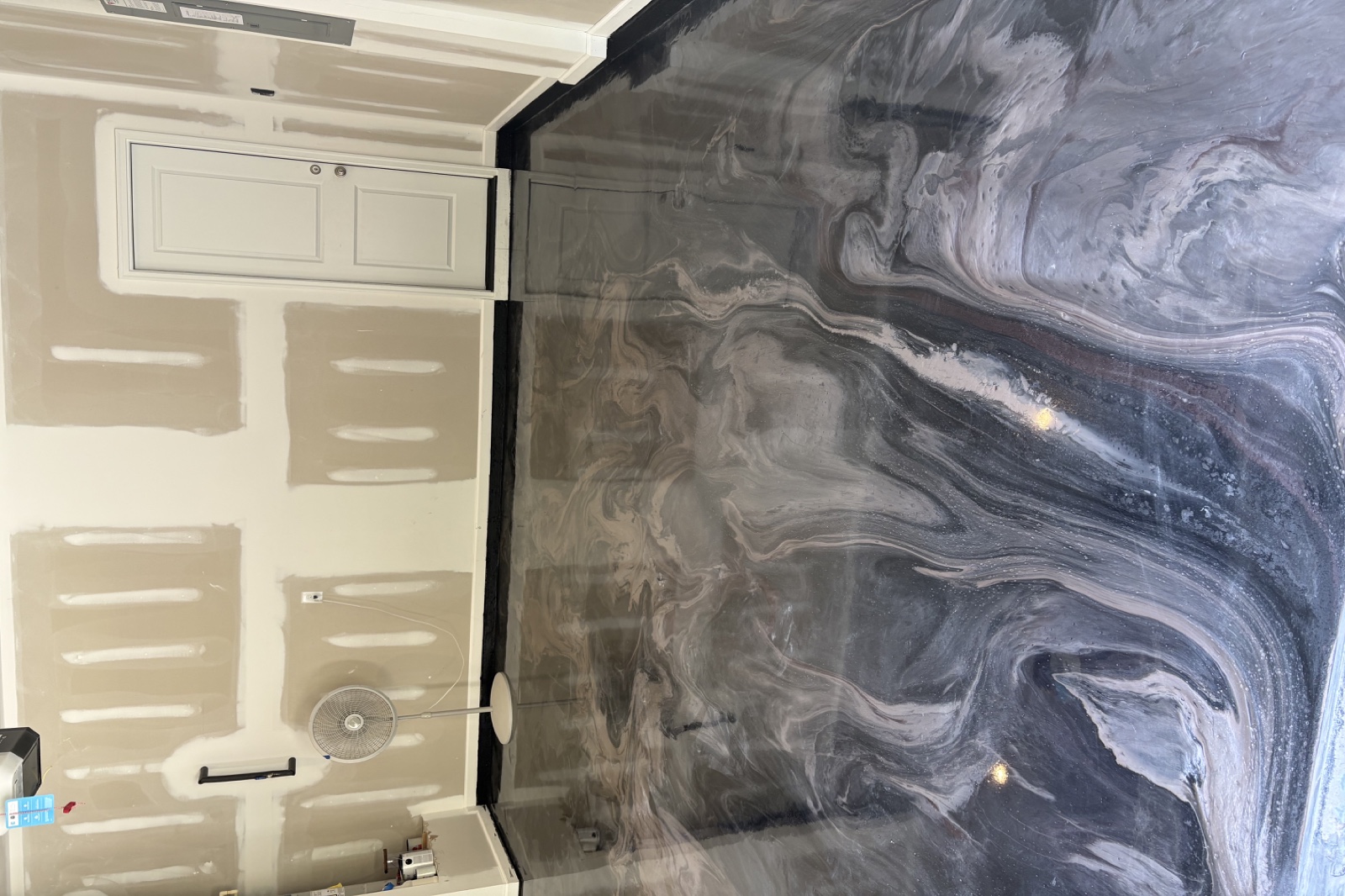
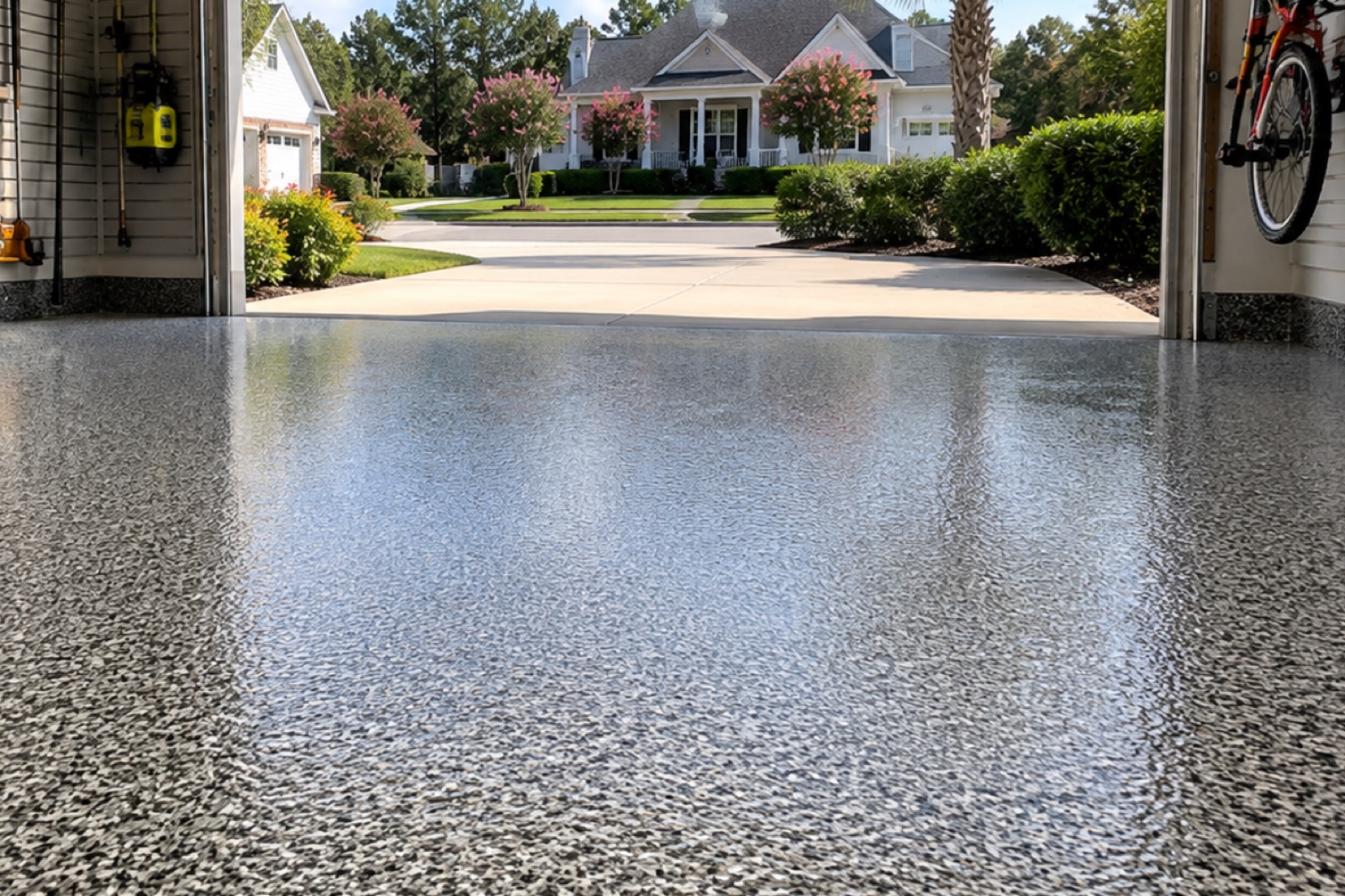
Texture, color, sheen, and system layers can be selected around the way the surface is used.
Decorative cementitious overlays can renew worn concrete with new color, texture, pattern, and character when the existing slab is a suitable candidate for resurfacing.
A decorative overlay is a polymer-modified cementitious resurfacing layer installed over properly prepared concrete. It can create the look of stone, tile, brick, wood plank, or a custom textured finish without removing and replacing an otherwise suitable slab.
We begin by identifying contamination, prior sealers or coatings, cracks, drainage concerns, weak surface material, and other conditions that can affect bond or appearance. Repairs and preparation are defined before the decorative design is installed.
Texture, color, sheen, and system layers can be selected around the way the surface is used.
Visible cracks, spalls, divots, and previous coatings are evaluated before the finish is planned.
When the slab is a suitable candidate, an overlay can create a completely new appearance without full concrete removal.
The written scope defines the approved preparation, repairs, material build, decorative treatment, sealer, access, and cure restrictions.
Discuss My ProjectProduct chemistry matters, but testing, concrete profile, repairs, mixing, timing, and cure protection create the conditions the system needs.
We identify the condition of the slab and define the finish, texture, exposure, and use requirements.
Prior treatments and contaminants are addressed, the surface is profiled, and approved repairs are completed.
The selected coating or overlay is installed, detailed, sealed, and protected through cure.
Exact manufacturers and components are documented for each project rather than treated as a blanket claim.
Color, pattern, texture, and sheen are selected around the slab, surrounding architecture, exposure, and maintenance goals.
Layered stone shapes arranged in a classic architectural pattern.
Plank-style texture and color without introducing a wood surface outdoors.
Clean geometric layouts sized to complement the space.
Organic shapes, varied tones, and hand-finished texture.
Traditional coursing with custom color and joint definition.
A practical textured finish well suited to patios and pool surroundings.
Borders, combinations, and site-specific details planned for the project.
These are general planning answers. The onsite condition and selected product system control the project-specific recommendation.
Request an estimate →No. Severe movement, unstable concrete, drainage problems, contamination, or moisture can change the recommendation. Suitability is confirmed after inspection and testing.
Repairs can improve the surface before resurfacing, but existing concrete can continue to move. No repair can guarantee a moving crack will never reflect through.
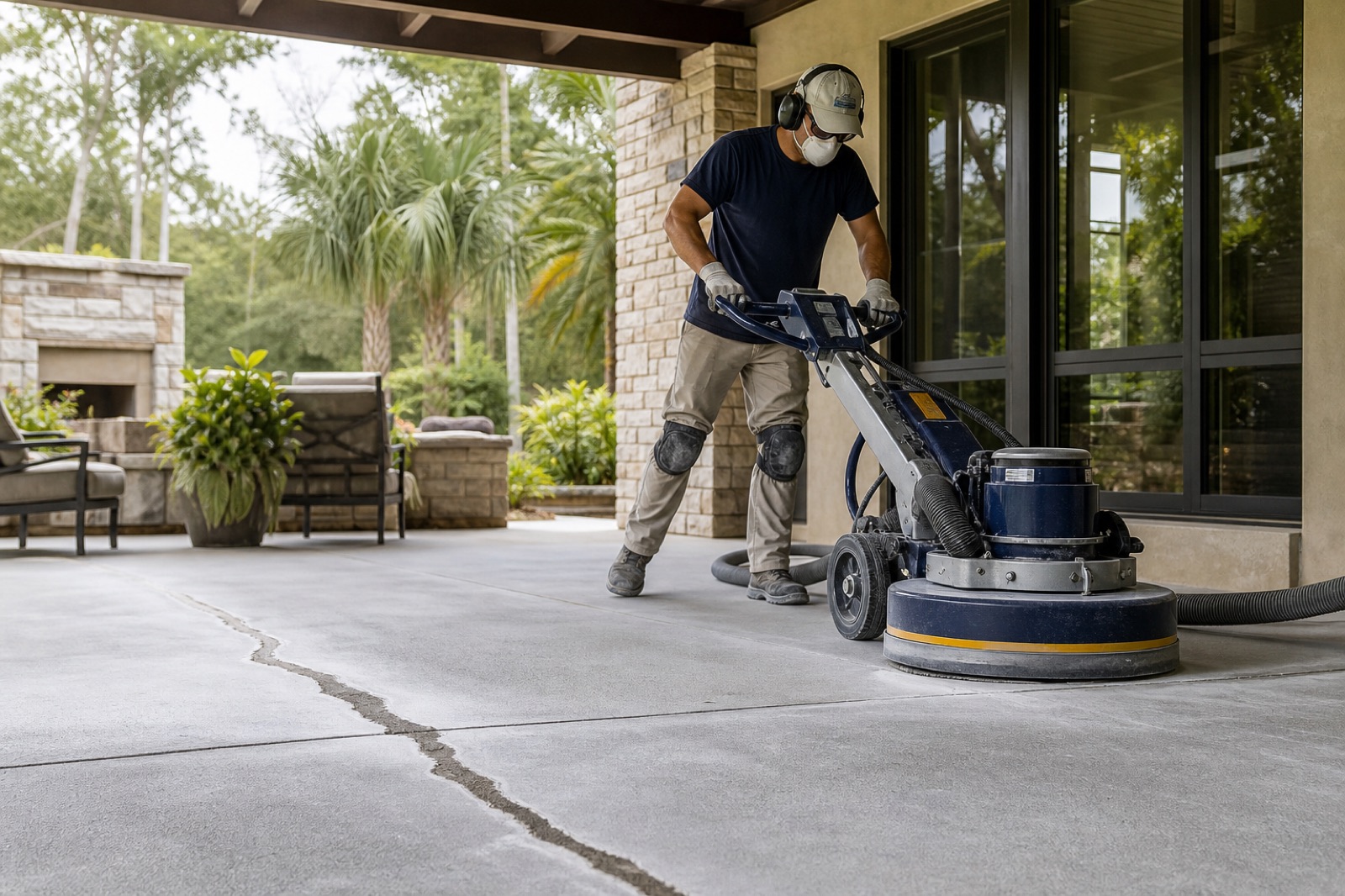
Existing sealers, coatings, contaminants, and weak surface material must be removed before a cementitious overlay is installed. We mechanically prepare the concrete to expose a clean, sound surface and create the profile required for the selected overlay system. Any necessary repairs are completed before resurfacing begins.
Any smooth surface can be slippery when wet. Texture and slip-resistant aggregate can be considered based on the location, cleaning needs, and how the floor will be used.
Decorative cementitious overlays are one of several ways we can renew and protect existing concrete. Depending on the slab, the location, and the look you want, another coating or resurfacing system may be a better fit.
Tell us about the surface, how you use the space, and the finish you have in mind. We’ll evaluate the slab and recommend a practical next step.